Digital Homesteaders: Inside Gen Z's Decision to Build Real Lives in Virtual Worlds
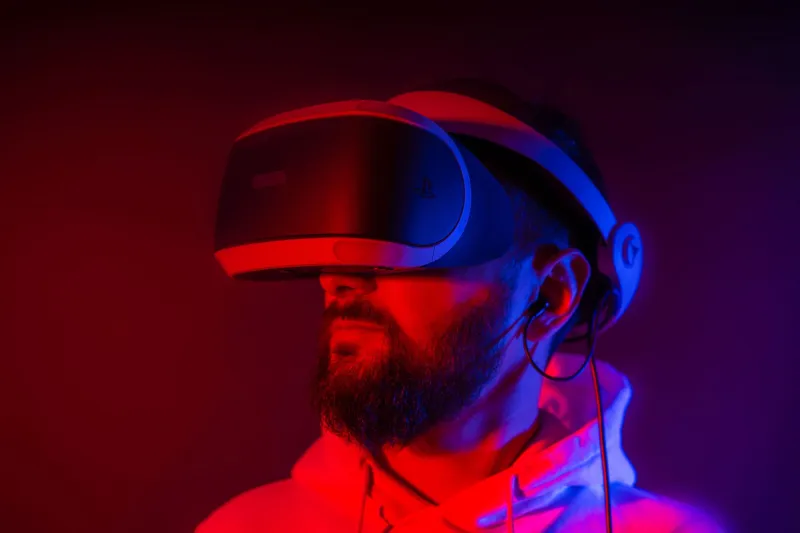
Marcus is 22, lives in Columbus, Ohio, and has a job he loves. He designs virtual storefronts, builds interactive game worlds, and consults on digital event spaces. His clients pay real money — sometimes a lot of it. His commute is zero minutes. His office exists inside Roblox.
"People ask me when I'm going to get a real job," he says, laughing. "I made more last year than my dad did at his actual real job. I don't know what to tell them."
Marcus isn't an anomaly anymore. He's part of a generation that grew up treating virtual spaces with the same seriousness that previous generations reserved for physical ones — and they're building entire ecosystems of identity, community, and commerce inside worlds that technically don't have a zip code.
The Metaverse Wasn't Built in a Day (But Gen Z Is Furnishing It Fast)
The word "metaverse" got hijacked for a while by corporate press releases and Mark Zuckerberg's peculiar vision of people in VR headsets attending virtual meetings. That version still hasn't exactly taken the world by storm. But while the tech industry was busy arguing about what the metaverse should be, Gen Z quietly went ahead and built the version they actually wanted — inside platforms that already existed.
Roblox alone has over 70 million daily active users, a majority of them under 25. Fortnite has evolved from a battle royale game into a genuine cultural platform, hosting virtual concerts, brand activations, and social spaces that have nothing to do with shooting. Decentraland and other blockchain-based worlds attract a slightly older, more financially motivated crowd experimenting with digital land ownership and virtual commerce.
These aren't parallel universes people visit occasionally. For a significant chunk of Gen Z, they're primary social infrastructure.
Identity Without a Dress Code
One of the most quietly radical things happening inside virtual worlds is the way they've become spaces for identity exploration that the physical world doesn't always allow.
Jamila, a 19-year-old from Atlanta, describes her avatar in Roblox as "the version of me I was figuring out before I was ready to figure it out in public." She experimented with different presentations of gender, aesthetic, and personality inside the platform years before she felt comfortable doing the same in her offline life. "The virtual world gave me a sandbox," she says. "No consequences. No one staring at me in the hallway."
This isn't unique to Jamila. Psychologists who study digital behavior have noted that virtual environments lower the social stakes of self-expression in ways that can be genuinely valuable for adolescent identity development. When the cost of trying something new is just a few in-game currency units, experimentation becomes a lot more accessible.
That said, virtual identity isn't consequence-free. Social hierarchies, exclusion, and harassment exist in these spaces just as they do anywhere people gather. The metaverse mirrors human behavior, including the less flattering parts. But for many young people, the ratio still feels better than the hallways of a high school.
The Career Frontier Nobody Told You About in Guidance Counseling
Back to Marcus for a moment, because his story is more common than most people realize. The creator economy inside virtual worlds has matured dramatically over the past five years, and the platforms themselves have a financial interest in making sure it keeps growing.
Roblox's developer exchange program has paid out hundreds of millions of dollars to creators — real US dollars, not just platform credits. Fortnite's creative mode has spawned professional map designers who earn revenue shares on the experiences they build. Decentraland and similar blockchain platforms have created genuine markets for virtual architects, event planners, and brand consultants.
For Gen Z creators entering a job market that often feels precarious and credential-obsessed, these platforms offer something unusual: a meritocracy (mostly) based on what you can actually build. No degree required. No gatekeeping interview. Just: can you make something people want to spend time in?
That's not a small thing. And it explains why the line between "playing a game" and "building a career" has gotten genuinely hard to locate for a lot of young Americans.
Community at the Speed of Spawn
Ask Gen Z users what they actually do in virtual worlds, and a surprising amount of the answer has nothing to do with gameplay mechanics. They hang out. They talk. They attend events, form friend groups, navigate social drama, and build the kind of low-stakes daily connection that used to happen on front porches and at malls.
This matters because, by almost every measure, young Americans are experiencing a loneliness epidemic. Rates of social isolation among people under 30 have climbed sharply over the past decade, a trend that accelerated dramatically during the pandemic years. For a generation that came of age during lockdowns, virtual worlds weren't a substitute for real connection — they were often the only available connection.
The habits formed during that period didn't disappear when the world reopened. If anything, they deepened. A friend group that started meeting in Fortnite in 2020 doesn't necessarily abandon that space just because they can now technically meet at a coffee shop. The virtual hangout becomes part of the relationship's texture, not a temporary workaround.
So What Does This Mean for the Rest of Us?
Here's the big question that the virtual world conversation keeps circling back to: is this good?
Honest answer: it's complicated, and anyone who tells you otherwise is probably selling something. There are genuine concerns about screen time, about platforms designed to maximize engagement at the expense of user wellbeing, about what it means for physical communities when social life migrates increasingly indoors and online.
But there's also something genuinely interesting and even hopeful happening. Gen Z isn't abandoning reality — they're expanding it. The most engaged virtual world users tend to be more creative, not less, because these platforms demand active participation rather than passive consumption. They're building things, running businesses, forming friendships, and developing identities in spaces that simply didn't exist for previous generations.
The metaverse isn't a replacement for the physical world. It's a new room in the house — one that Gen Z has already moved into and started decorating, whether the rest of us are ready or not.
At Space Villa, we think that's worth paying attention to. The frontier has always been wherever people decide to build next. Right now, a lot of them are building up there — in the glowing, pixelated, surprisingly livable reaches of virtual space.
And honestly? The architecture is getting pretty impressive.